

 Image 1 of 1
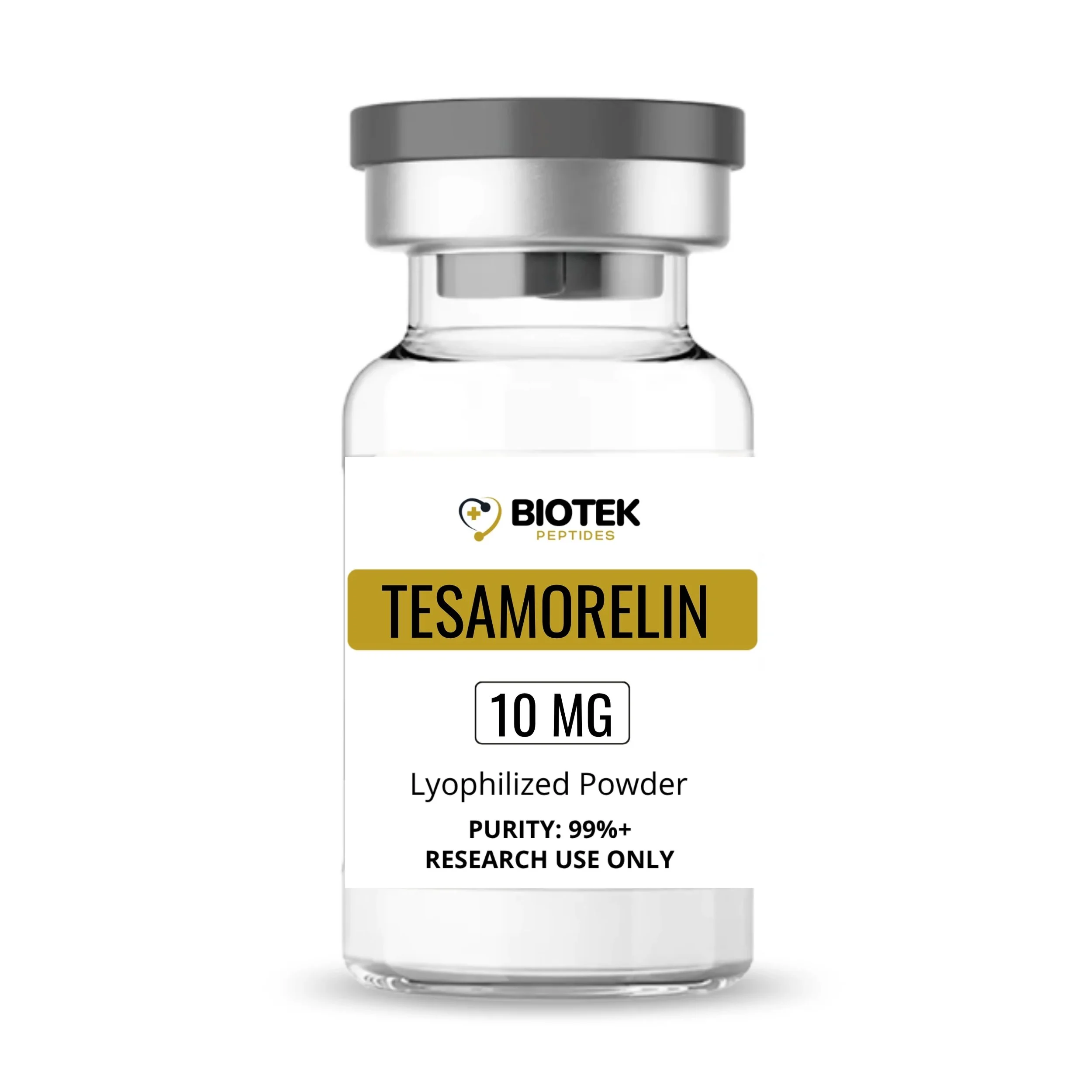
Tesamorelin is a synthetic peptide analog of growth hormone–releasing hormone (GHRH), specifically engineered to activate somatotroph cells in the pituitary gland through GHRH receptors. This activation promotes endogenous growth hormone (GH) secretion, leading to downstream effects such as increased IGF-1 synthesis in research models. Incorporating a hexenoyl group at its N-terminal, Tesamorelin demonstrates improved stability and receptor affinity in experimental settings.
Its influence on lipid metabolism, protein synthesis, and cellular growth has positioned Tesamorelin as a key subject of research in metabolic regulation and anabolic signaling. In controlled studies, its pharmacokinetic profile reveals a defined half-life that supports sustained biological activity, making it a dependable tool for exploring endocrine and metabolic pathways in non-human test systems.