

About Peptides
What is a peptide?
A peptide is a naturally occurring or synthetic compound composed of two or more amino acids linked together by peptide bonds. Amino acids are the building blocks of proteins, and peptides are basically smaller, simpler versions of proteins.
Peptides can be produced both naturally within living organisms and synthetically in laboratory settings. The body generates various peptides organically, such as ribosomal and non-ribosomal peptides. In research and manufacturing, modern synthesis techniques—primarily solid-phase peptide synthesis (SPPS), though sometimes liquid-phase methods—enable the creation of countless peptide sequences with high precision and efficiency.
The concept of injecting peptides has been around for more than 100 years starting with insulin in 1921.
Lyophilized (freeze-dried) peptides have had water removed to enhance their stability and shelf life. This dehydration process minimizes degradation, enzymatic reactions, and microbial growth, making them easier to store, handle, and transport. Reconstitution involves simply dissolving the lyophilized powder in an appropriate solvent. Lyophilization also improves peptide bioavailability and provides a cost-effective means of long-term preservation.
What do Peptides do?
They act as messengers, telling cells what to do. They can regulate:
Hormones
Immune function
Metabolism
Healing and repair
Pigmentation
Inflammation
Why are Peptides used in research and in biotech?
Because you can design them to:
Mimic natural signalling molecules
Target specific receptors
Influence biological pathways with precision
Different peptides have different functions, such as supporting collagen production, influencing growth hormone pathways, improving healing, modulating inflammation, and many others—depending on their structure and target.
Best Practices for Storing Peptides
To maintain the accuracy and reliability of laboratory results, proper peptide storage is critical. Correct handling and storage practices can preserve peptides for years, protecting them from contamination, oxidation, and degradation that could compromise experimental outcomes. While some peptides are inherently more stable than others, adhering to best storage practices significantly extends their shelf life and structural integrity.
It’s also crucial to minimize repeated freeze–thaw cycles, as these can accelerate peptide degradation. Avoid using frost-free freezers, since their temperature fluctuations during defrost cycles can negatively affect peptide integrity.
Lyophilized (Freeze dried/unmixed/not reconstituted)
Short term - Lyophilized peptides will remain stable at room temperature for 30-60 days.
However, upon receipt all peptides should be stored in the refrigerator (under 4C (39F) for maximum stability and longevity. Peptides stored at this temperature can last 1-2 years.
Long term - If you are not going to use the peptides within 1-2 months it is preferable to store the peptides in a freezer at -18C (OF). Peptides stored at this temperature can last 2-3 years.

Reconstituted (Mixed)
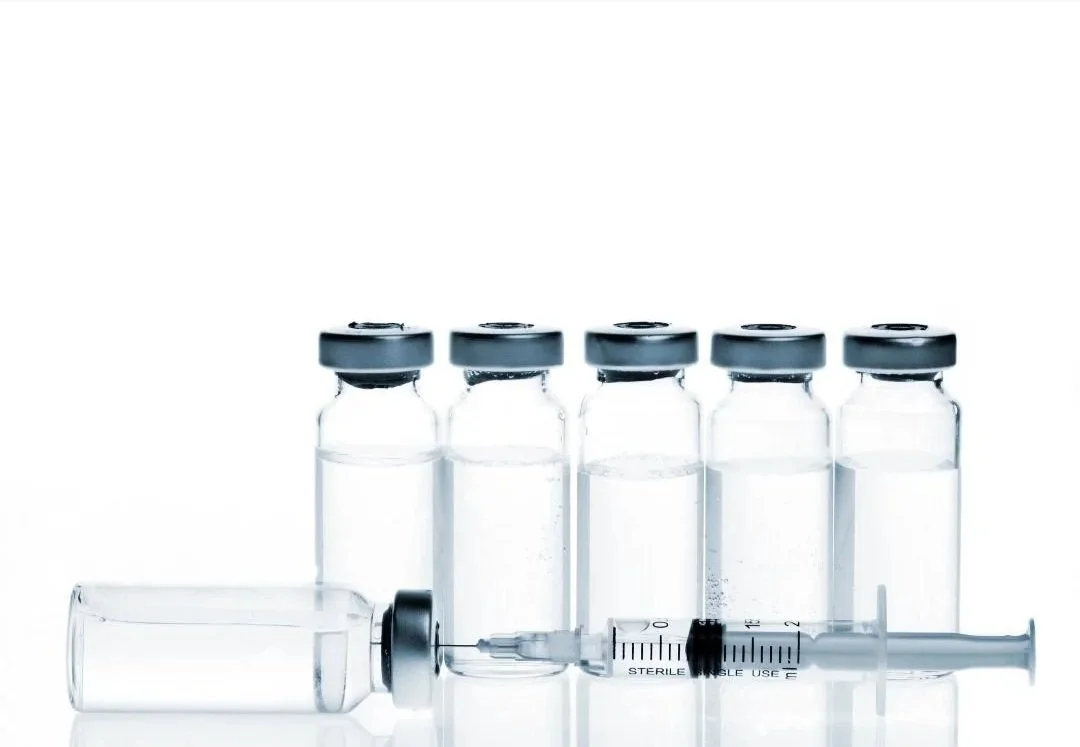
Short term - Peptide solutions generally remain stable up to 30 days when stored in the refrigerator at 4C (39F) depending on the length of the peptide sequence and its inherent instability factors.
Long term - most peptides will still be effective up to two years but start to lose their efficacy slowly after 30 days.
Peptides are sensitive to temperature, pH, and light exposure (particularly UV light), which can accelerate their breakdown.
Glass vials provide the best chemical resistance.